Book Categories:

Wait, don't go!
Before you leave, we have a special offer just for you!
Get 20% off your next purchase.
Book Categories:


Before you leave, we have a special offer just for you!
Get 20% off your next purchase.

Iranian art galleries in the United States play an important role in showcasing one of the world’s oldest and most influential artistic traditions. Iranian art has a long and remarkable history that stretches from ancient pottery and metalwork created during the Achaemenid and Sassanian eras to the delicate Persian miniatures of the Safavid period and the works of contemporary Iranian artists. Together, these artistic traditions reflect centuries of creativity, craftsmanship, and aesthetic refinement.
Over the course of the twentieth and twenty-first centuries, many works of Iranian art have found their way into some of the world’s most important museums and galleries. Today, several Iranian art galleries in the United States house remarkable collections that represent different periods of Iran’s artistic history.
By collecting and preserving these works, American museums and galleries have played a significant role in introducing Iranian culture and history to global audiences. These collections include not only ancient artifacts but also Islamic art, Persian calligraphy, illuminated manuscripts, traditional carpets, and modern Iranian artworks.
In this article, we explore five important museums and galleries in the United States that hold notable collections of Iranian art. These cultural institutions have helped preserve Iran’s artistic legacy while making these works accessible to researchers, historians, and art enthusiasts around the world.
One of the most important Iranian art galleries in the United States
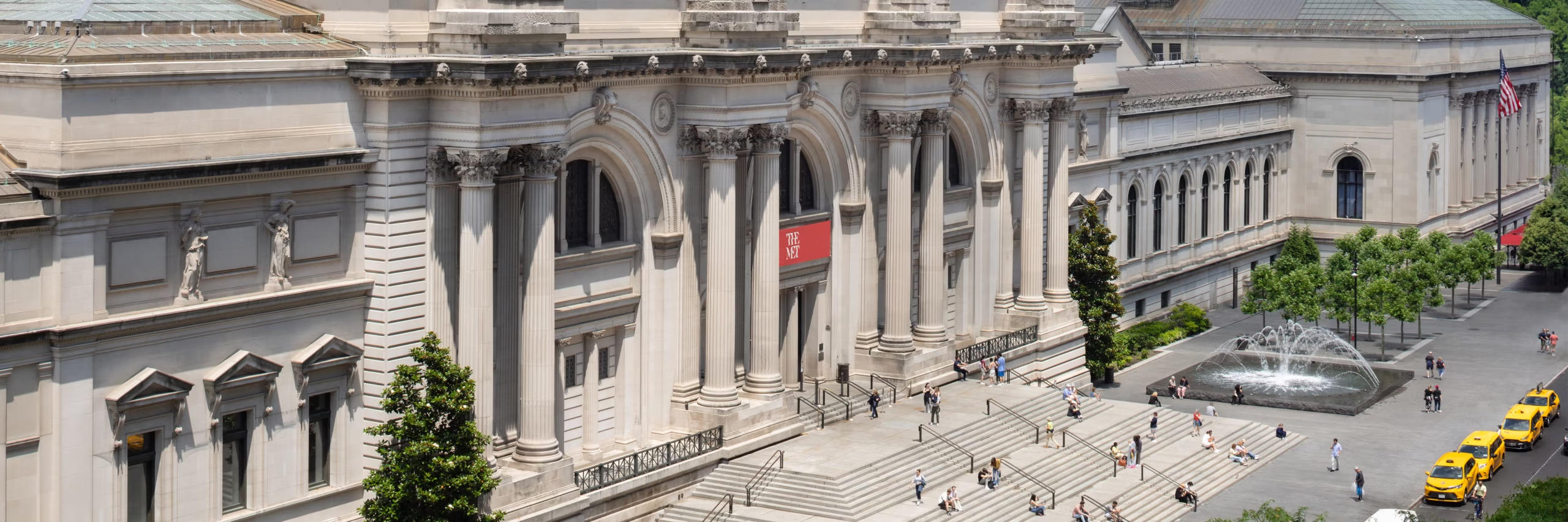
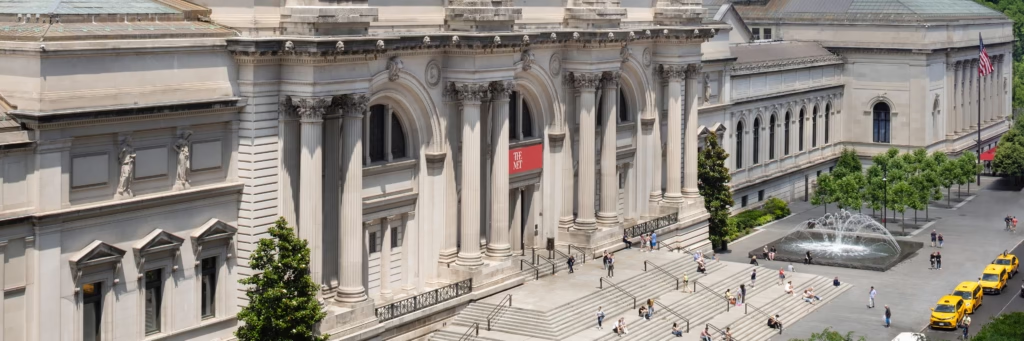
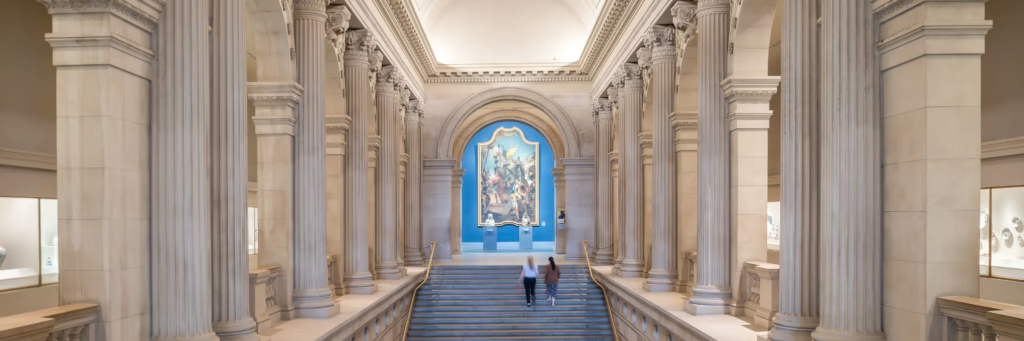
The Metropolitan Museum of Art in New York is one of the largest and most influential museums in the world. Within its vast collections, the museum preserves an exceptional selection of Iranian artworks.
Often referred to simply as The Met, the museum includes a dedicated department for Islamic Art where many significant Iranian pieces are displayed.
Visitors can explore artworks representing different historical periods of Iran. The collection ranges from ancient Persian ceramics and metalwork to Islamic-era artistic achievements such as miniature paintings, Persian calligraphy, and luxurious carpets.
Some of the most remarkable objects in the museum belong to the Seljuk and Safavid periods, two eras widely regarded as golden ages of Persian art.
One of the most impressive aspects of this collection is its diversity. Alongside historical objects, visitors can also see decorative arts including architectural tiles, textiles, and intricately crafted metal vessels. These pieces illustrate how Iranian art evolved over centuries while maintaining its distinctive cultural identity.
Today, the Metropolitan Museum remains one of the most important places outside Iran for studying and experiencing Persian art. Millions of visitors view these masterpieces every year.
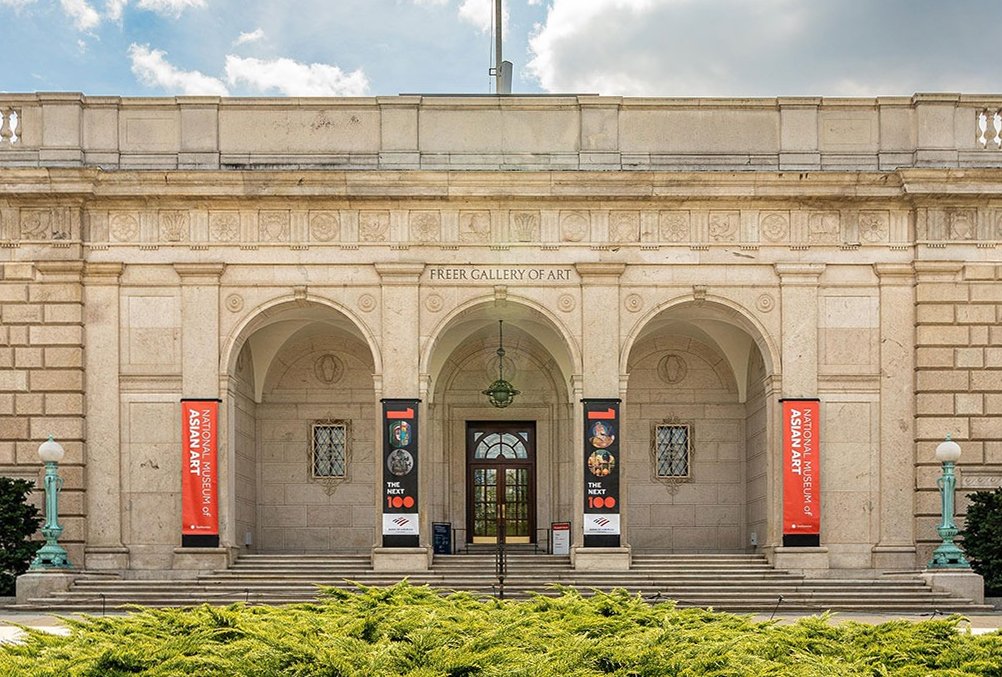
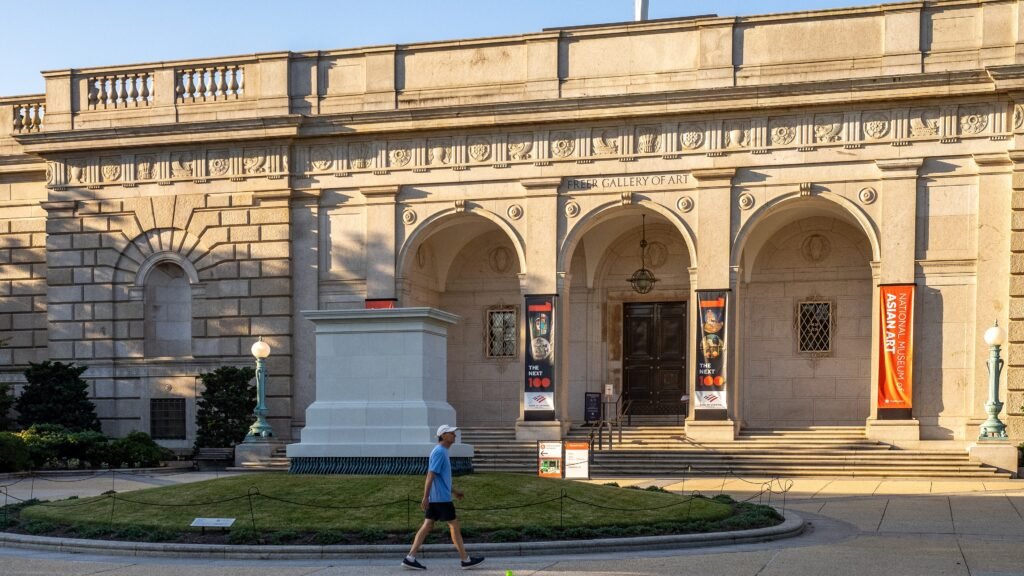
Another major center for Iranian art in the United States is the Freer Gallery of Art and the Arthur M. Sackler Gallery in Washington, D.C. These galleries operate under the Smithsonian Institution and together form part of the National Museum of Asian Art.
The Freer Gallery is particularly known for its rich collection of Islamic and Iranian artworks. Visitors can see beautifully preserved manuscripts, calligraphic works, miniature paintings, and decorative objects originating from Iran.
Many of the pieces belong to the Timurid and Safavid periods, eras during which Persian art reached extraordinary levels of sophistication.
Among the highlights of the collection are illustrated manuscripts, pages from the famous Shahnameh, and remarkable examples of Persian calligraphy. These works are not only visually stunning but also serve as valuable sources for understanding Iranian literary and historical traditions.
Because of its location in the heart of Washington D.C., this collection has helped Iranian art gain broader international recognition. Scholars and researchers frequently visit the gallery to study these important works.
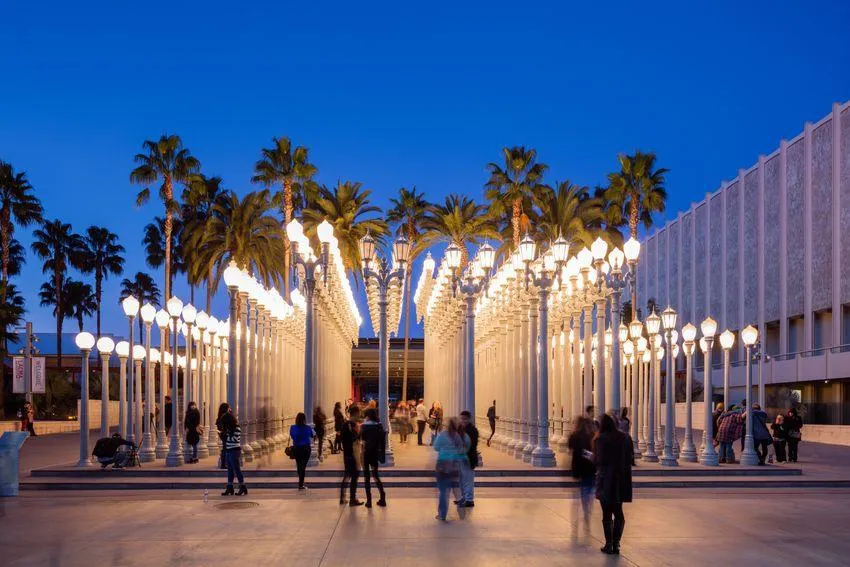
The Los Angeles County Museum of Art, commonly known as LACMA, is one of the largest art museums in the western United States. It also holds an impressive collection of Islamic and Iranian art.
The museum’s galleries include a variety of objects from different periods of Iranian history. These include architectural tiles, ceramic vessels, Islamic metalwork, and finely woven Persian carpets.
Many of the items date back to the Seljuk and Safavid periods, two of the most significant eras in the development of Persian artistic traditions.
One notable feature of LACMA’s collection is its emphasis on decorative arts. Persian carpets, architectural tilework, and intricately decorated metal objects are among the most fascinating pieces displayed in the museum.
Through exhibitions, lectures, and educational programs, LACMA actively introduces Iranian culture and art to American and international audiences.
The Cleveland Museum of Art is another important institution in the United States that preserves Iranian artworks. The museum is widely known for its exceptional Islamic art collection, and Iranian pieces form a significant part of it.
Visitors can explore a wide range of objects including ceramics decorated with geometric designs, finely crafted metalwork, textiles, and Persian manuscripts.
Many of these pieces date from the Seljuk and Ilkhanid periods, showcasing the remarkable craftsmanship of Iranian artists during the medieval Islamic era.
A key strength of the Cleveland collection is the quality of its objects. Many items are considered outstanding examples of Persian art and hold considerable historical and artistic value.
The museum also contributes to scholarship through academic publications and research catalogs that help deepen the understanding of Iranian artistic heritage.
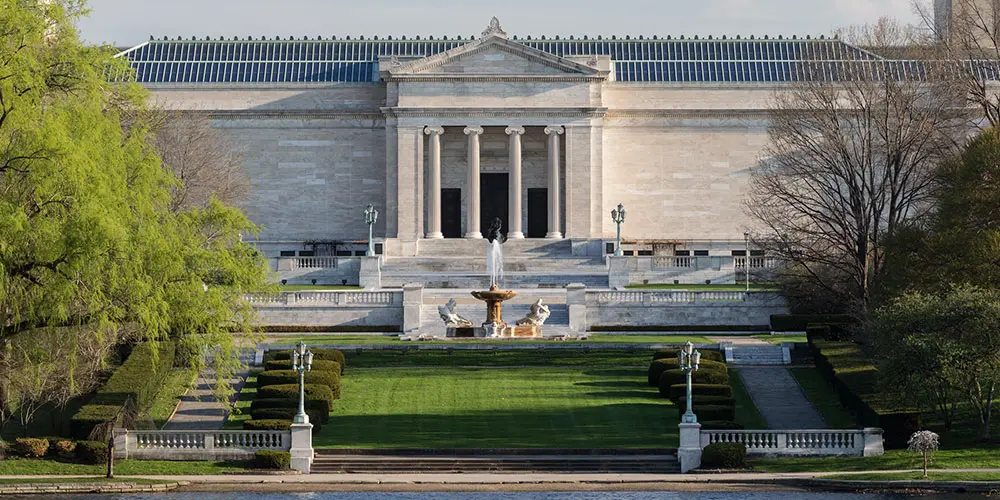
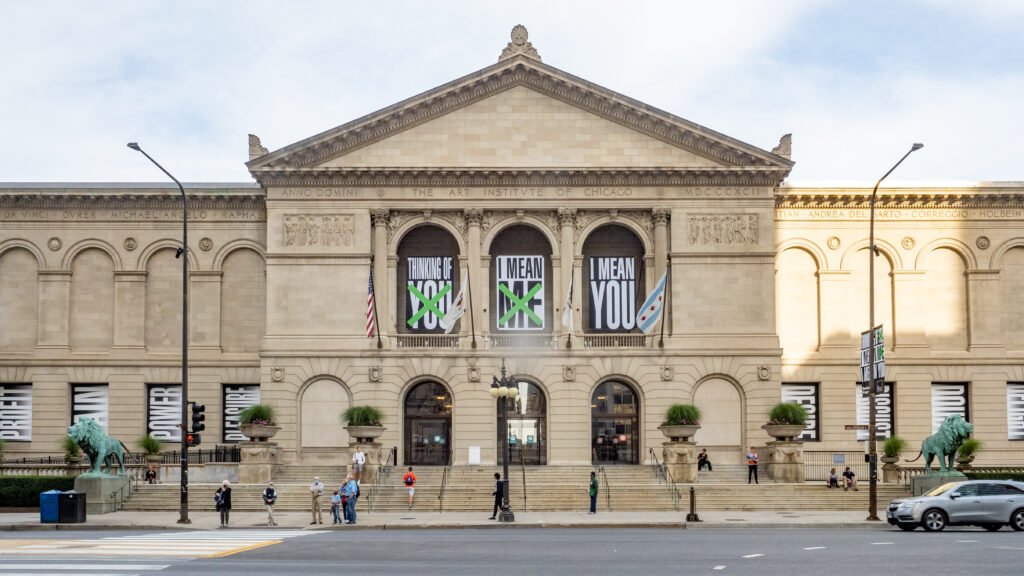
The Art Institute of Chicago is one of the oldest and most respected museums in the United States. It houses an extensive collection of world art, including an important selection of Islamic and Iranian works.
Within its galleries, visitors can find Persian ceramics, metalwork, textiles, and manuscripts. Some of these objects date back to the medieval Islamic era, a time when artistic production in Iran flourished.
The museum also holds several Persian carpets, which are internationally recognized as some of the finest examples of traditional Iranian craftsmanship. Their intricate designs and exceptional weaving techniques continue to captivate visitors.
By displaying these works to global audiences, the Art Institute of Chicago helps deepen international appreciation for Iranian history and culture.
The presence of large Iranian art collections in American museums carries several important benefits.
First, these works help preserve Iran’s cultural heritage on a global scale. Many of these artifacts are centuries old, and housing them in major museums ensures they are protected and maintained for future generations.
Second, these collections provide valuable opportunities for academic research. Historians, archaeologists, and art scholars rely on these artifacts to study the history and development of Iranian art.
Third, displaying these works in major international museums introduces global audiences to Iranian culture and artistic traditions. In this way, museums play an important role in promoting cultural understanding.
With its long history and extraordinary diversity, Iranian art represents one of the most important cultural legacies in the world. Today, many of its most valuable works are preserved in renowned museums and galleries across the globe, and the United States is home to several of the most significant collections.
Institutions such as the Metropolitan Museum of Art, the Freer Gallery of Art, LACMA, the Cleveland Museum of Art, and the Art Institute of Chicago hold remarkable examples of Persian artistic heritage.
These collections not only safeguard Iran’s artistic history but also introduce global audiences to the richness of Iranian culture.
For anyone interested in Iranian history, art, or cultural heritage, visiting these galleries offers a unique opportunity to experience some of the finest examples of Persian art outside Iran.
If you would like to learn more about valuable Iranian cultural collections, you can also read the article “Golden Treasures from the Persian Collection of the Library of Congress” on the Shahnameh website.
هنر ایرانی یکی از کهنترین و تاثیرگذارترین سنتهای هنری جهان به شمار میرود. از سفالهای باستانی و فلزکاریهای دوران هخامنشی و ساسانی
گرفته تا مینیاتورهای ظریف دوره صفوی و آثار معاصر هنرمندان ایرانی، این میراث فرهنگی گسترهای وسیع از تاریخ و زیباییشناسی را در بر میگیرد. در طول قرن بیستم و بیست و یکم، بسیاری از آثار هنری ایران به موزهها و گالریهای مهم جهان راه یافتهاند. امروزه گالری های هنر ایرانی در آمریکا بخش قابل توجهی از این آثاررا درخود جای داده اند.
موزهها و گالریهای آمریکایی با گردآوری مجموعههای ارزشمند از هنر ایرانی، نقش مهمی در معرفی فرهنگ و تاریخ ایران به مخاطبان جهانی ایفا میکنند. این مجموعهها نه تنها شامل آثار باستانی و تاریخی هستند، بلکه نمونههایی از هنر اسلامی، خوشنویسی، نسخ خطی، قالیهای ایرانی و هنر معاصر ایران را نیز در بر میگیرند.
در این مقاله با پنج گالری و موزه مهم در آمریکا که مجموعههای قابل توجهی از هنر ایرانی دارند آشنا میشویم. این مراکز فرهنگی نه تنها به حفظ آثار هنری ایران کمک کردهاند، بلکه امکان مطالعه و نمایش این آثار برای پژوهشگران و علاقهمندان هنر در سراسر جهان را فراهم کردهاند.
موزه متروپولیتن هنر در نیویورک یکی از بزرگترین و مهمترین موزههای جهان است. این موزه مجموعهای بسیار ارزشمند از هنر ایرانی را در خود جای داده است. این موزه که اغلب با نام Met Museum شناخته میشود.بخش ویژهای برای هنر اسلامی دارد که آثار برجستهای از ایران در آن نگهداری میشود.
در این مجموعه میتوان آثاری از دورههای مختلف تاریخی ایران را مشاهده کرد. از سفالها و فلزکاریهای ایران باستان گرفته تا آثار هنری دورههای اسلامی مانند مینیاتور، خوشنویسی و فرشهای نفیس ایرانی. برخی از آثار مربوط به دوره سلجوقی و صفوی از مهمترین نمونههای هنر ایرانی در این موزه محسوب میشوند.
یکی از ویژگیهای مهم این مجموعه، تنوع گسترده آن است. در کنار آثار تاریخی، نمونههایی از هنرهای تزئینی مانند کاشیکاری، منسوجات و ظروف فلزی نیز در این موزه به نمایش گذاشته شدهاند. این آثار نشان میدهند که هنر ایرانی چگونه در طول قرنها تحول یافته و در عین حال هویت فرهنگی خود را حفظ کرده است.
امروزه موزه متروپولیتن یکی از مهمترین مکانها برای مطالعه هنر ایرانی در خارج از ایران به شمار میرود و سالانه میلیونها بازدیدکننده از این آثار دیدن میکنند.
یکی دیگر از مهمترین مراکز نگهداری هنر ایرانی در آمریکا، Freer Gallery of Art و Arthur M. Sackler Gallery در واشنگتن دیسی هستند که زیر نظر مؤسسه اسمیتسونین فعالیت میکنند. این مجموعهها بخشی از موزه ملی هنر آسیایی محسوب میشوند.
گالری فریر به ویژه برای مجموعه آثار اسلامی و ایرانی خود شهرت دارد. در این مجموعه میتوان نسخههای خطی نفیس، آثار خوشنویسی، نقاشیهای مینیاتور و اشیای تزئینی مربوط به ایران را مشاهده کرد. بسیاری از این آثار متعلق به دوره تیموری و صفوی هستند؛ دورههایی که هنر ایرانی به اوج شکوفایی خود رسید.
نسخههای خطی مصور، صفحات شاهنامه و آثار خوشنویسی از جمله جذابترین بخشهای این مجموعه هستند. این آثار نه تنها از نظر هنری ارزشمندند، بلکه منابع مهمی برای مطالعه تاریخ و ادبیات ایران نیز محسوب میشوند.
وجود چنین مجموعهای در قلب واشنگتن دیسی باعث شده است که هنر ایرانی در سطح بینالمللی بیشتر شناخته شود و پژوهشگران بسیاری برای مطالعه این آثار به این گالری مراجعه کنند.
موزه هنر لسآنجلس یا Los Angeles County Museum of Art یکی از بزرگترین موزههای هنری در غرب ایالات متحده است. این موزه نیز مجموعهای قابل توجه از آثار هنر اسلامی و ایرانی را در اختیار دارد.
در این مجموعه میتوان آثار متنوعی از دورههای مختلف تاریخ ایران مشاهده کرد. از جمله این آثار میتوان به کاشیهای تاریخی، ظروف سفالی، فلزکاریهای اسلامی و قالیهای نفیس ایرانی اشاره کرد. بسیاری از این آثار مربوط به دورههای سلجوقی و صفوی هستند که از مهمترین دورههای هنر ایرانی محسوب میشوند.
یکی از ویژگیهای جالب مجموعه LACMA توجه آن به هنرهای تزئینی ایرانی است. قالیهای ایرانی، کاشیکاریهای معماری و ظروف فلزی با نقشهای پیچیده از جمله آثاری هستند که در این موزه نگهداری میشوند.
این موزه با برگزاری نمایشگاههای موقت و برنامههای آموزشی، تلاش میکند هنر و فرهنگ ایران را به مخاطبان آمریکایی و بینالمللی معرفی کند.
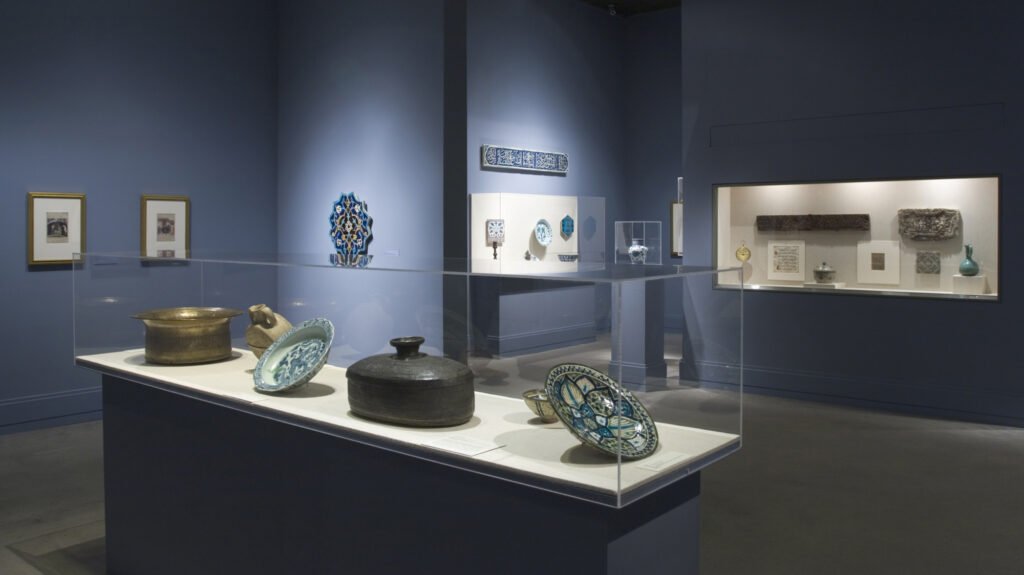
موزه هنر کلیولند یکی دیگر از مراکز مهم نگهداری آثار هنر ایرانی در آمریکا است. این موزه به خاطر مجموعه ارزشمند خود از هنر اسلامی شناخته میشود و آثار ایرانی بخش مهمی از این مجموعه را تشکیل میدهند.
در میان آثار این موزه میتوان ظروف سفالی با نقوش هندسی، فلزکاریهای ظریف، منسوجات و نسخههای خطی ایرانی را مشاهده کرد. بسیاری از این آثار متعلق به دورههای سلجوقی و ایلخانی هستند و نشاندهنده مهارت بالای هنرمندان ایرانی در آن دوران هستند.
یکی از ویژگیهای مهم مجموعه کلیولند، کیفیت بالای آثار آن است. بسیاری از اشیای موجود در این مجموعه از نظر تاریخی و هنری اهمیت زیادی دارند و به عنوان نمونههای شاخص هنر ایرانی شناخته میشوند.
موزه کلیولند همچنین با انتشار پژوهشها و کاتالوگهای علمی، نقش مهمی در مطالعه و معرفی هنر ایرانی ایفا میکند.
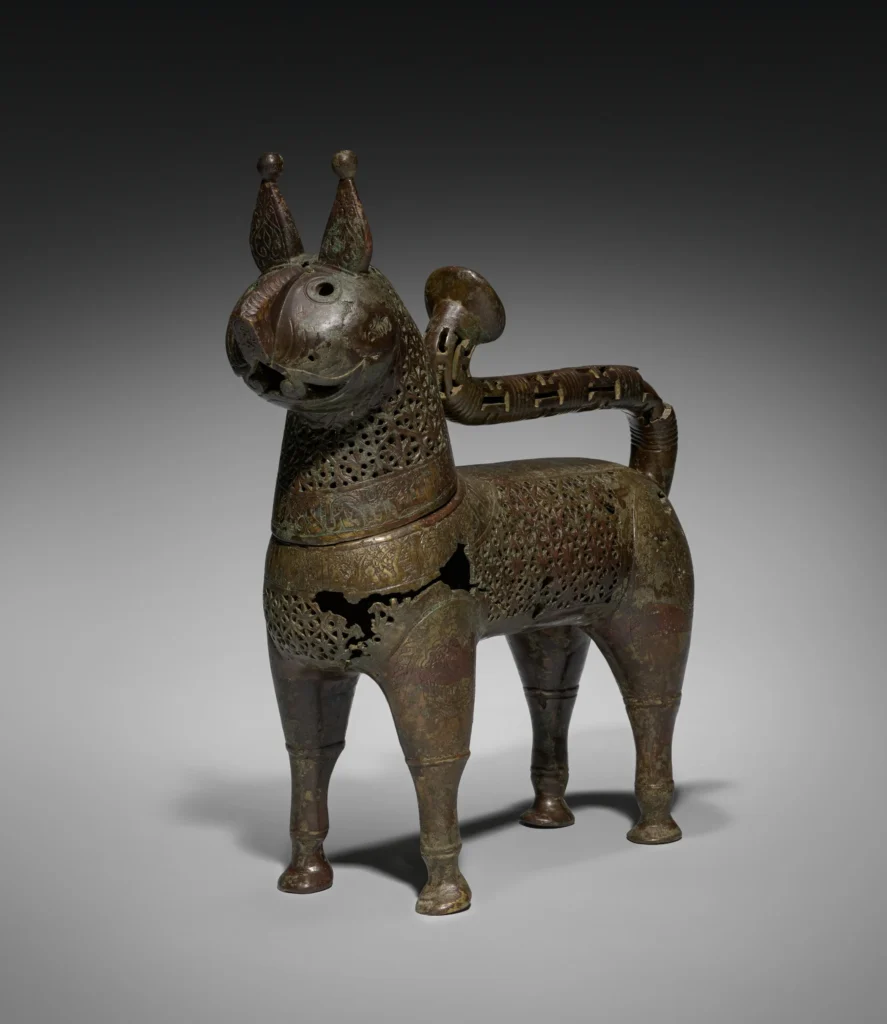
موزه هنر شیکاگو یکی از قدیمیترین و معتبرترین موزههای آمریکا است و مجموعهای متنوع از هنرهای جهانی را در خود جای داده است. در میان این آثار، مجموعه هنر اسلامی و ایرانی نیز جایگاه ویژهای دارد.
در این موزه میتوان نمونههایی از سفال، فلزکاری، منسوجات و نسخههای خطی ایرانی را مشاهده کرد. برخی از این آثار متعلق به قرون میانه اسلامی هستند و نشاندهنده شکوفایی هنر در ایران آن زمان هستند.
همچنین این موزه دارای مجموعهای از قالیهای ایرانی است که از نظر طراحی و کیفیت بافت اهمیت زیادی دارند. قالیهای ایرانی همواره به عنوان یکی از برجستهترین هنرهای سنتی ایران شناخته میشوند و حضور آنها در این موزه توجه بسیاری از بازدیدکنندگان را جلب میکند.
موزه هنر شیکاگو با نمایش این آثار به مخاطبان جهانی کمک میکند تا با تاریخ و فرهنگ ایران بیشتر آشنا شوند.
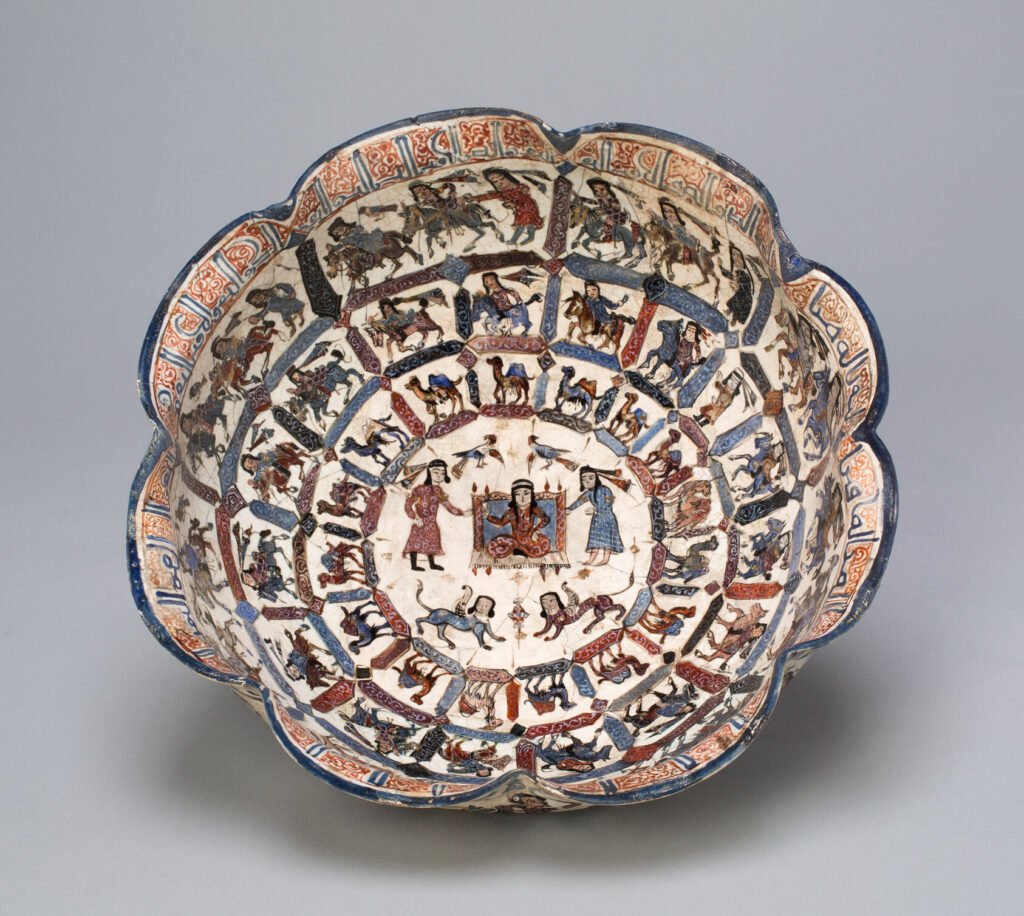
وجود مجموعههای بزرگ از هنر ایرانی در موزههای آمریکا چندین اهمیت مهم دارد. نخست اینکه این آثار به حفظ میراث فرهنگی ایران در سطح جهانی کمک میکنند. بسیاری از این آثار قرنها قدمت دارند و نگهداری آنها در موزههای معتبر باعث میشود که برای نسلهای آینده حفظ شوند.
دوم اینکه این مجموعهها امکان مطالعه و پژوهش را برای تاریخدانان، باستانشناسان و پژوهشگران هنر فراهم میکنند. بسیاری از تحقیقات علمی درباره هنر ایرانی بر اساس همین آثار انجام میشود.
سوم اینکه نمایش این آثار در موزههای بزرگ جهان باعث میشود مخاطبان بینالمللی با فرهنگ و هنر ایران آشنا شوند. در واقع این موزهها نقش مهمی در معرفی میراث فرهنگی ایران در سطح جهانی دارند.
هنر ایرانی با تاریخ طولانی و تنوع بینظیر خود یکی از مهمترین میراثهای فرهنگی جهان به شمار میرود. امروزه بسیاری از آثار ارزشمند این هنر در موزهها و گالریهای معتبر جهان نگهداری میشوند و ایالات متحده یکی از مهمترین مراکز نگهداری این آثار است.
موزههایی مانند متروپولیتن نیویورک، گالری فریر اسمیتسونین، موزه هنر لسآنجلس، موزه کلیولند و موزه هنر شیکاگو مجموعههایی ارزشمند از هنر ایرانی را در خود جای دادهاند. این مجموعهها نه تنها آثار تاریخی و هنری ایران را حفظ میکنند، بلکه نقش مهمی در معرفی فرهنگ ایرانی به مخاطبان جهانی دارند.
برای علاقهمندان به تاریخ و هنر ایران، بازدید از این گالریها فرصتی منحصر به فرد برای مشاهده بخشی از میراث فرهنگی ایران در سطح جهانی است.
اگر به آشنایی با دیگر مجموعههای ارزشمند فرهنگی و تاریخی مرتبط با ایران علاقهمند هستید، میتوانید مقاله «گنجینههای طلایی از مجموعه فارسی کتابخانه کنگره آمریکا» را نیز در سایت شاهنامه بخوانید.